
Introduction
Solar energy systems provide a renewable and sustainable solution for generating electricity by converting sunlight into usable energy. As global energy demand increases and environmental concerns grow, solar technology has become one of the most efficient and eco-friendly power sources. This article explores solar power solutions, their types, working principles, benefits, and applications across various industries.
Understanding Solar Power Systems
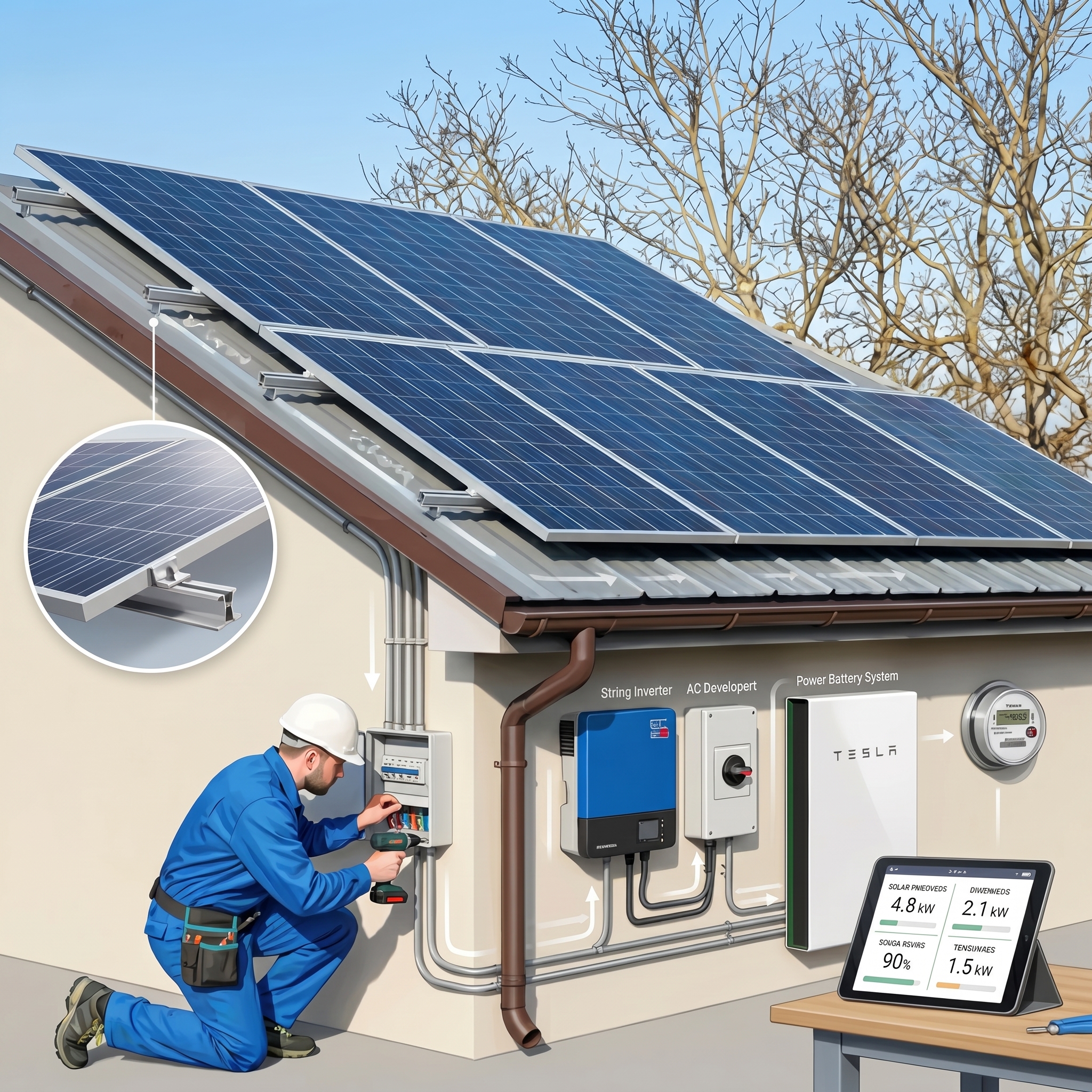
Solar energy systems convert sunlight into electrical energy using photovoltaic (PV) technology or solar thermal processes. These setups capture solar radiation and transform it into usable power for residential, commercial, and industrial applications. Engineers design photovoltaic systems to deliver clean, reliable, and cost-effective energy solutions.
Types of Solar Power Systems
1. On-Grid Solar Systems
On-grid systems connect directly to the utility grid. These setups supply solar power during the day and draw electricity from the grid when solar energy is insufficient. They help reduce electricity bills and support net metering systems.
2. Off-Grid Solar Systems
Off-grid systems operate independently from the utility grid. They store excess energy in batteries for later use. These systems provide reliable power in remote areas where grid access is limited or unavailable.
3. Hybrid Solar Systems
Hybrid systems combine on-grid and off-grid technologies. They use solar panels, battery storage, and grid connectivity to ensure continuous and efficient power supply under all conditions.
Functions and Benefits
1. Renewable Energy Generation
Solar installations generate electricity from sunlight, a clean and renewable energy source. They reduce dependency on fossil fuels and support environmental sustainability.
2. Cost Savings
These systems reduce electricity bills by generating free energy from the sun. Over time, they significantly lower operational and energy costs for homes and industries.
3. Low Maintenance Requirements
Solar setups require minimal maintenance. Regular cleaning of panels and periodic system checks ensure long-term performance and efficiency.
4. Environmental Protection
Solar technology reduces carbon emissions and greenhouse gases. It helps combat climate change and promotes a cleaner environment.
Applications
1. Residential Use
Homeowners use solar installations to generate electricity for lighting, appliances, and heating systems, reducing dependency on grid electricity.
2. Commercial Buildings
Businesses install solar energy solutions to reduce operating costs and improve energy efficiency in offices, malls, and industrial facilities.
3. Industrial Sector
Industries use large-scale photovoltaic systems to power machinery, production units, and manufacturing processes.
4. Agriculture Sector
Farmers use solar setups for water pumping, irrigation, and powering agricultural equipment in remote areas.
Considerations for Choosing Solar Systems
1. Location and Sunlight Availability
Select systems based on geographic location and sunlight exposure to maximize energy production efficiency.
2. System Capacity
Choose capacity according to energy consumption needs to ensure optimal performance and cost-effectiveness.
3. Battery Storage Options
For off-grid and hybrid setups, evaluate battery quality and storage capacity for uninterrupted power supply.
4. Installation and Maintenance
Ensure professional installation and regular maintenance to maximize system lifespan and performance.
Conclusion
Solar energy systems provide a reliable, clean, and cost-effective energy solution for modern society. They reduce electricity costs, support environmental sustainability, and offer scalable applications across residential, commercial, and industrial sectors. With continuous technological advancements, solar technology continues to play a key role in the global transition toward renewable energy.
