
Introduction
Electrical distribution networks play a critical role in delivering power from transmission systems to end users. Electrical network services ensure electricity flows safely, efficiently, and reliably to residential, commercial, and industrial consumers. These services include design, operation, maintenance, and optimization of power distribution infrastructure. In this article, we explore how distribution system solutions work, their types, functions, benefits, and applications across different sectors.
Understanding Electrical Distribution Network Services
Electrical distribution services involve the management and maintenance of power networks that deliver electricity from substations to consumers. These services ensure voltage stability, load balancing, fault detection, and uninterrupted energy supply. Engineers design and manage power distribution infrastructure to improve reliability, reduce energy losses, and maintain efficient power flow.
Types of Power Distribution Services
1. System Design and Planning
Engineers design electrical distribution networks based on load demand, geographic conditions, and safety standards. Proper planning ensures efficient power flow and minimizes energy losses.
2. Installation and Commissioning Services
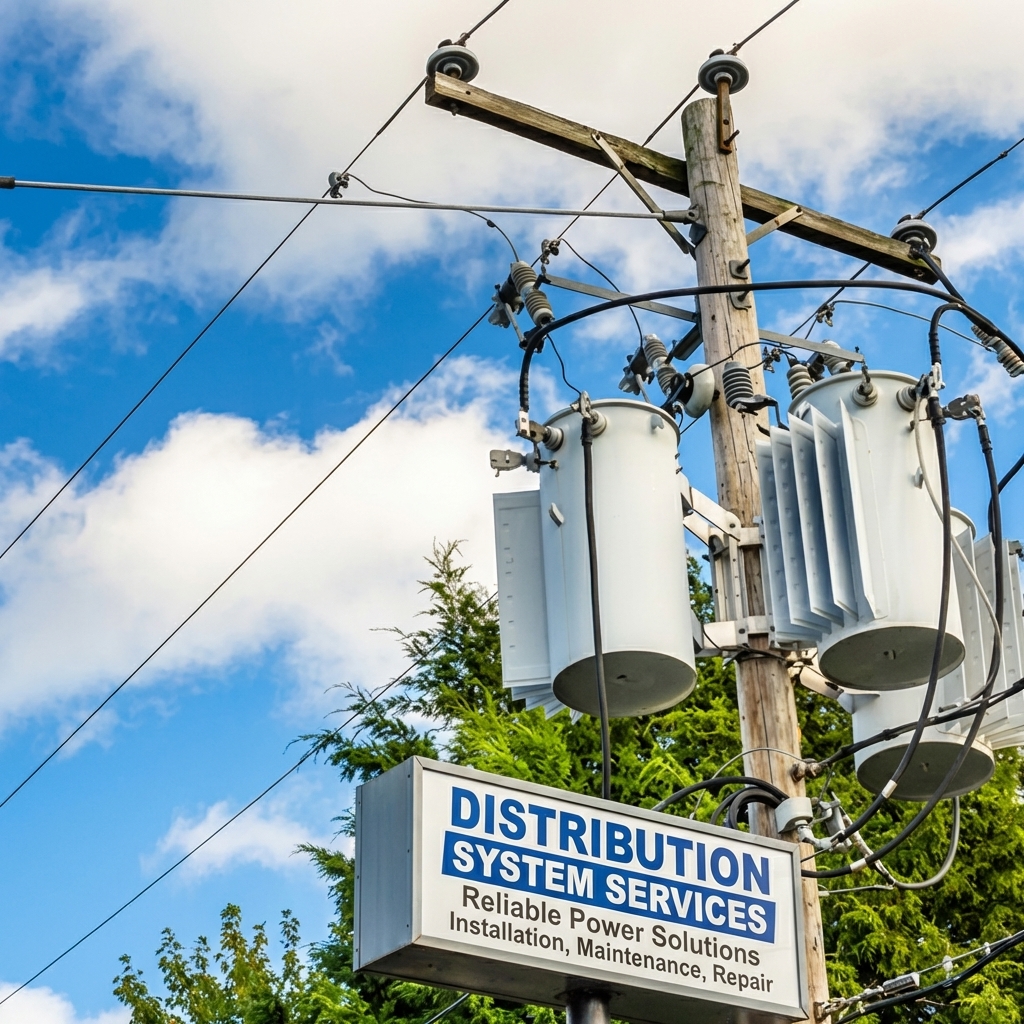
Technicians install transformers, distribution lines, switchgear, and protective devices. They test and commission the system to ensure safe and reliable operation before activation.
3. Operation and Monitoring of Power Networks
Operators continuously monitor electrical networks using SCADA systems and smart grid technologies. They track voltage levels, detect faults, and ensure stable power delivery.
4. Maintenance and Repair of Distribution Infrastructure
Service teams perform routine inspections, preventive maintenance, and emergency repairs. These actions reduce downtime and improve system reliability.
Functions and Benefits of Electrical Distribution Systems
1. Reliable Power Supply
Distribution networks ensure continuous electricity delivery by managing load distribution and preventing system failures.
2. Reduced Energy Losses
Proper system design and maintenance reduce transmission and distribution losses, improving overall energy efficiency.
3. Improved Electrical Safety
Protective devices and monitoring systems detect faults early and prevent electrical hazards, ensuring safe operation.
4. Enhanced Energy Efficiency
Optimized power distribution systems balance load demand and improve energy utilization across the network.
Applications of Power Distribution Services
1. Residential Electricity Supply
Distribution systems deliver electricity to homes for lighting, appliances, and daily energy needs.
2. Commercial Infrastructure
Offices, malls, and business centers rely on stable power distribution systems for uninterrupted operations.
3. Industrial Power Systems
Factories and industrial plants use high-capacity electrical networks to power machinery and production lines.
4. Utility and Smart Grid Systems
Modern utilities use advanced distribution networks integrated with smart grid technology for real-time monitoring and control.
Key Considerations for Power Distribution Solutions
1. Load Capacity Planning
Proper load analysis ensures the system can handle current and future energy demands efficiently.
2. Infrastructure Quality
High-quality transformers, cables, and switchgear improve system reliability and lifespan.
3. System Scalability
Choose solutions that allow future expansion without major redesign or replacement.
4. Monitoring and Automation Systems
Advanced monitoring technologies like SCADA improve control, fault detection, and operational efficiency.
Conclusion
Electrical distribution system services form the backbone of modern power infrastructure. They ensure safe, efficient, and reliable electricity delivery across all sectors. With proper design, monitoring, and maintenance, these solutions reduce energy losses, improve system stability, and support growing energy demands in today’s world.
