
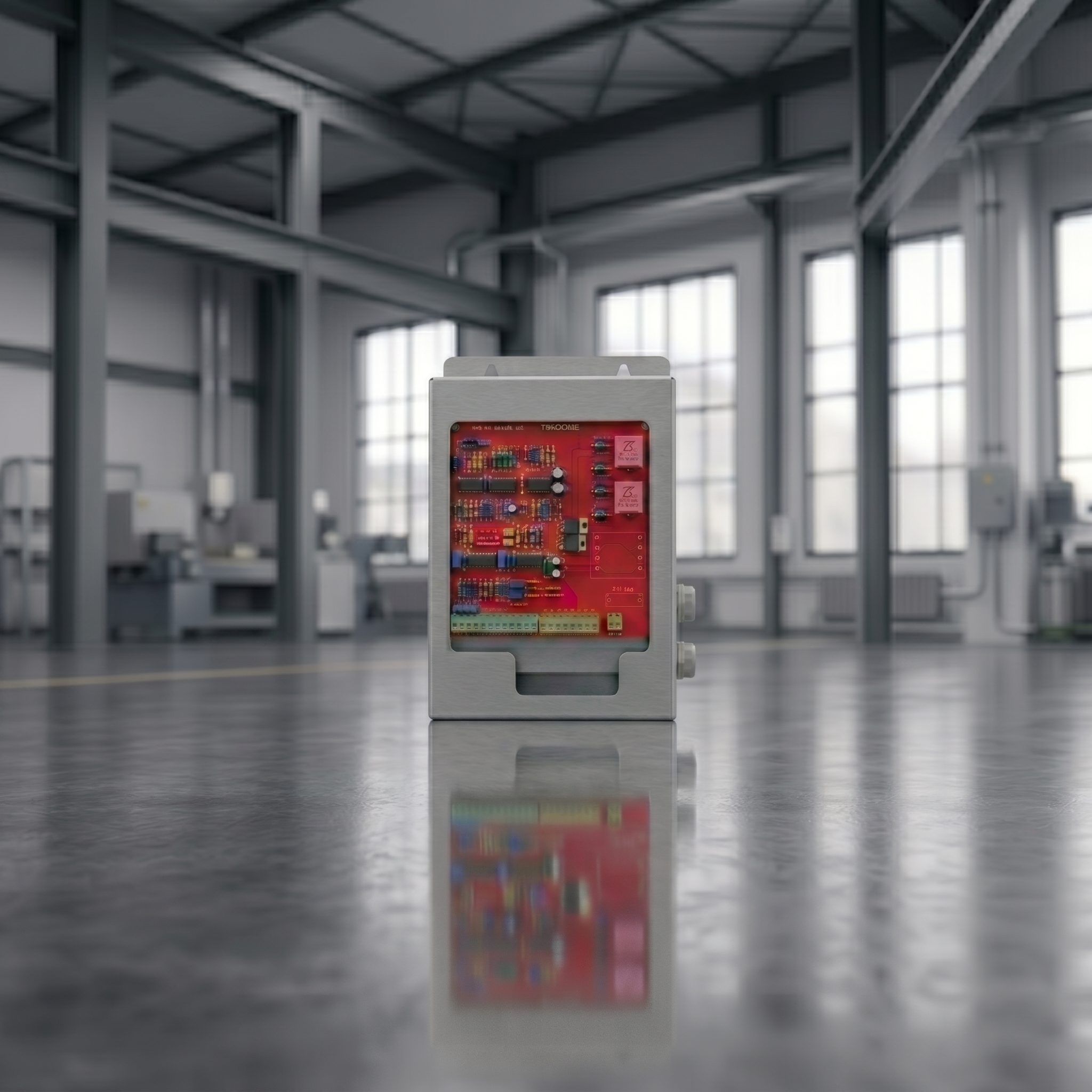
Single Phase SCR Controller: An In-Depth Guide
Single-phase SCR controllers play a critical role in power electronics and electrical engineering. If you work with industrial or commercial electrical systems, you’ve likely encountered SCR (Silicon Controlled Rectifier) controllers.
This guide explains how single-phase SCR controllers work, their advantages, and where industries commonly use them.
Understanding the SCR Controller
An SCR controller, also known as a thyristor controller, is a solid-state device that regulates power flow in electrical circuits. It functions as an electronic switch that allows current to pass when it receives a gate signal.
Engineers prefer SCR controllers because they offer high efficiency, reliability, and the ability to handle heavy power loads, making them ideal for demanding applications.
How Does a Single Phase SCR Controller Work?
An SCR controller operates using the principle of conductivity modulation. It switches from a non-conducting state to a conducting state when a gate signal triggers it.
Once activated, the SCR continues to conduct current until the current drops below a specific threshold level. This behavior allows the controller to efficiently regulate AC power in single-phase systems.
Because of this precise switching capability, industries widely use SCR controllers for accurate power control.
Advantages of SCR Controllers
High Reliability
SCR controllers use solid-state components with no moving parts, which ensures long-term reliability and stable performance.
High Efficiency
These controllers minimize power loss due to their low voltage drop during operation, improving overall system efficiency.
Fast Switching
SCR controllers respond quickly to input signals, enabling accurate and real-time power control.
Robust Construction
Manufacturers design SCR controllers to withstand harsh environments, including high temperatures and industrial conditions.
Applications of Single Phase SCR Controllers
Motor Speed Control
Industries use SCR controllers to regulate the speed of single-phase motors. This control improves process efficiency and performance.
Light Dimming Systems
SCR controllers adjust lighting intensity in residential, commercial, and theatrical environments, providing flexible lighting control.
Heating Systems
These controllers regulate temperature in electric ovens, heaters, and furnaces, ensuring consistent and efficient heating.
Power Control in Home Appliances
Manufacturers integrate SCR controllers into appliances like washing machines and refrigerators to manage power delivery and improve efficiency.
Installation and Maintenance
Qualified professionals should install SCR controllers according to manufacturer guidelines to ensure safe and reliable operation. Regular maintenance checks help identify issues early and keep the system running efficiently.
Troubleshooting Common Issues
Overheating
Excessive load or poor heat dissipation can cause overheating. Proper ventilation and cooling systems help prevent this issue.
Gate Signal Problems
Weak or incorrect gate signals can lead to improper switching. Always verify signal strength and connections.
Voltage Spikes
Voltage spikes can damage the controller. Installing surge protection devices helps protect the system from electrical fluctuations.
Conclusion
Single-phase SCR controllers provide efficient, reliable, and precise power control for a wide range of applications. From motor speed regulation to heating and lighting systems, these controllers help improve performance and energy efficiency.
To achieve the best results, always select the right SCR controller for your application and follow proper installation and maintenance practices.